

Growing a business online has become significantly more complex over the last decade. Every industry now competes for attention across search engines, social media platforms, and digital marketplaces where thousands of brands attempt to reach the same audiences simultaneously.
In this environment, relying exclusively on organic visibility often limits growth potential and slows the acquisition of new customers. This is why paid traffic has become one of the most effective strategies for businesses seeking predictable online expansion and consistent lead generation.
Instead of waiting for potential customers to eventually discover your brand, paid traffic allows companies to position their message directly in front of people actively searching for solutions. When implemented strategically, advertising becomes a controlled system that transforms visibility into measurable business growth.
In this article, you will learn:
- What paid traffic actually means in modern digital marketing
- Why visibility alone is not enough to generate consistent leads
- How paid traffic works within a structured marketing funnel
- Why CRM integration strengthens paid traffic performance
- How businesses use data to optimize campaigns and increase ROI
What paid traffic means for businesses today
Paid traffic refers to the practice of attracting visitors to a website through paid digital advertising rather than relying exclusively on organic discovery. These campaigns typically run on platforms such as Google Ads, Meta Ads, LinkedIn Ads, YouTube Ads, and other advertising networks that allow businesses to promote their products and services to targeted audiences.
Unlike organic traffic, which depends on search engine rankings or social media algorithms, paid traffic provides immediate visibility for businesses willing to invest in strategic advertising. Companies can control when their ads appear, who sees them, and how much they spend to generate each potential customer.
This level of control transforms advertising into a predictable acquisition system rather than a passive visibility effort. When structured correctly, paid traffic helps businesses capture demand that already exists in the market while simultaneously expanding their reach to new audiences.

Why visibility requires a deliberate strategy
The internet functions as a massive global marketplace where thousands of companies compete for attention at any given moment. Simply publishing content or launching a website rarely guarantees that potential customers will discover your business organically.
Search engines and social platforms prioritize content based on engagement, relevance, and advertising investment, which means brands that implement paid traffic strategies gain a significant advantage in positioning. Ads often appear above organic results or directly inside social feeds where users naturally spend their time.
A strategic paid traffic approach provides several important benefits:
Immediate visibility: Businesses appear directly in search results or social platforms when users are already exploring related solutions.
Precise audience targeting: Campaigns can focus on specific locations, interests, behaviors, and demographics.
Budget control and scalability: Advertising investment can increase or decrease depending on performance and business objectives.
Without a structured approach to paid traffic, many companies depend entirely on unpredictable organic discovery, which often slows growth and limits lead generation opportunities.
How paid traffic connects to the marketing funnel
Generating clicks through paid traffic is only the first step toward converting online attention into real business results. For advertising campaigns to produce meaningful outcomes, they must connect to a structured marketing funnel that guides potential customers through a clear decision journey.
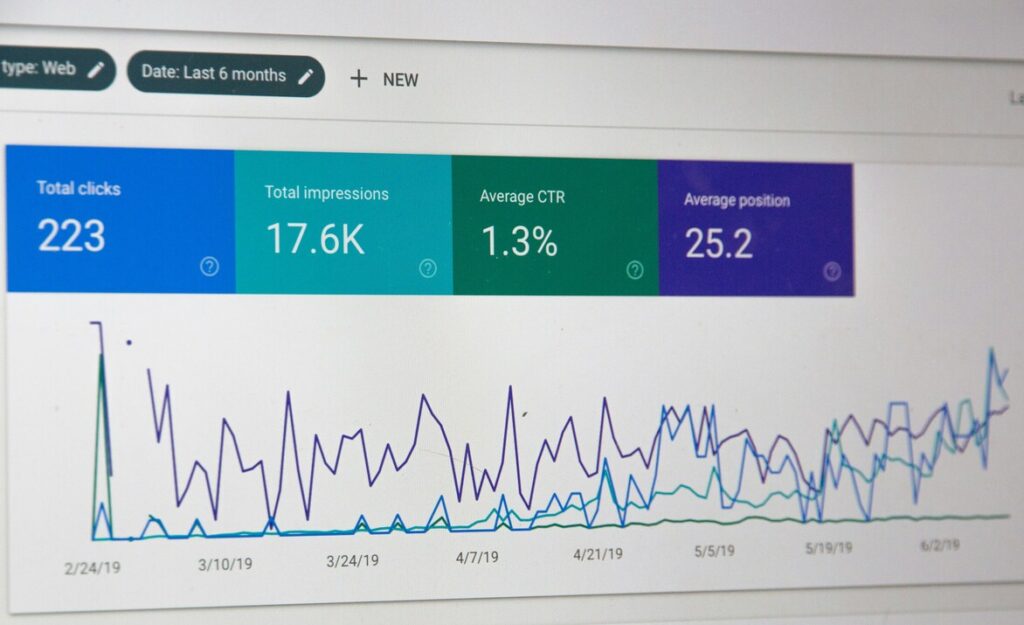
A marketing funnel represents the stages a customer goes through before making a purchase or submitting an inquiry.
Awareness: capturing attention
The first stage focuses on discovery and visibility. Through paid traffic, businesses position their ads where potential customers are already searching or browsing.
For example, when someone searches for “digital marketing agency near me,” a well-configured Google Ads campaign can immediately place your company among the top results.
At this stage, the goal is to attract attention and generate initial interest.
Interest: engaging visitors with relevant content
Once users click an advertisement generated by paid traffic, they should arrive on a landing page designed specifically for engagement.
A strong landing page includes key elements that convert curiosity into deeper engagement with the brand:
- Clear messaging focused on benefits
- Professional design and simple navigation
- Trust indicators such as reviews or case studies
- A visible call-to-action guiding the next step
Decision: converting visitors into leads
At the decision stage, users evaluate whether to contact the company, request a quote, or complete a purchase.
Effective paid traffic campaigns guide visitors toward simple actions such as submitting a form, scheduling a consultation, or downloading a resource. These interactions transform anonymous visitors into identifiable leads that can be nurtured through future communication.
Retention: nurturing long-term relationships
The relationship does not end after the first conversion. Businesses that combine remarketing strategies with paid traffic can reconnect with visitors who previously interacted with their website or advertisements.
These follow-up campaigns reinforce brand familiarity and help maintain ongoing communication with potential customers until they are ready to make a final decision.
Why CRM integration strengthens paid traffic performance
Generating leads through paid traffic is only the beginning of the commercial process. Without proper organization and follow-up systems, many valuable opportunities can easily be lost.
A Customer Relationship Management (CRM) system plays a critical role in ensuring that leads generated through advertising campaigns are managed efficiently. These systems centralize customer data, track communication history, and automate follow-ups that keep prospects engaged.
When paid traffic campaigns integrate directly with CRM platforms, businesses gain several operational advantages:
- Centralized lead tracking across campaigns
- Automated communication with potential customers
- Clear visibility into campaign performance and revenue impact
Data and optimization in paid traffic campaigns
One of the most powerful aspects of paid traffic is the ability to measure campaign performance with high precision. Unlike traditional advertising methods, digital platforms provide detailed insights into how users interact with ads, landing pages, and conversion points.
Marketing teams analyze metrics such as click-through rates, cost-per-lead, and return on ad spend to identify optimization opportunities. Continuous testing of headlines, images, targeting parameters, and landing page variations allows campaigns to improve over time.
This data-driven approach transforms paid traffic into a constantly evolving growth system that adapts to changes in consumer behavior and market competition.
The strategic impact of paid traffic
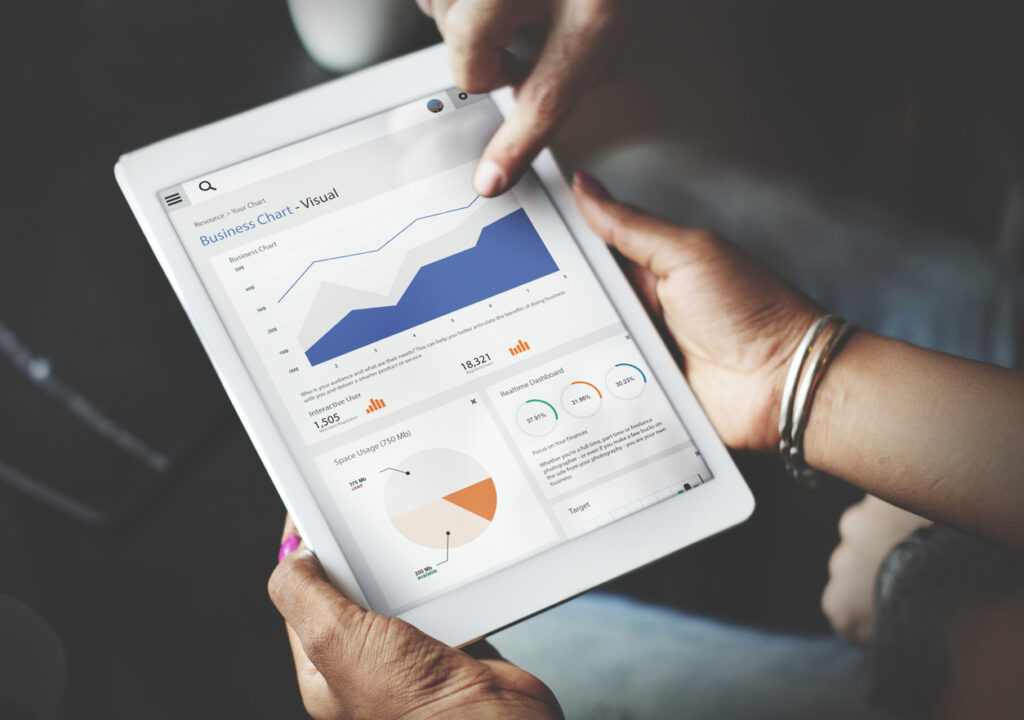
Companies that invest strategically in paid traffic gain a significant advantage in competitive digital markets. Instead of waiting for organic visibility to generate results gradually, businesses can accelerate growth by placing their brand directly in front of interested audiences.
When supported by strong landing pages, CRM systems, and ongoing optimization, paid traffic becomes far more than a marketing tactic. It becomes a structured acquisition system capable of generating qualified leads consistently while scaling alongside business growth.
Organizations that treat digital advertising as a strategic investment rather than an occasional experiment are typically able to expand faster, reach new audiences more efficiently, and build stronger customer pipelines over time.
Read also: Strategic marketing as the foundation of long-term brand growth
Ready to grow your business with paid traffic?
Expanding your business online requires more than visibility alone. It requires a structured approach that connects advertising, messaging, and lead management into a unified system designed for sustainable growth.
At Volp Agency, we help businesses design and implement paid traffic strategies that generate qualified leads, strengthen digital presence, and transform marketing investments into measurable results.
If you want to explore how paid traffic can accelerate your company’s growth, our team is ready to help you build a strategy that turns visibility into real opportunities. Reach out to learn more or send us a message.